

Bridging the Renewable Divide: Lessons from Ireland’s Coal-Free Leap
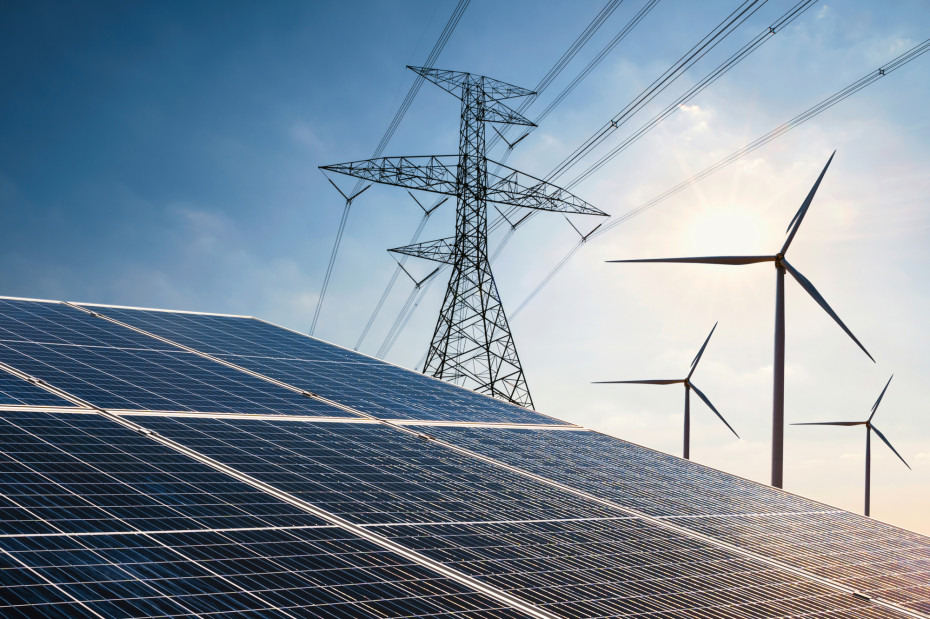
As the global climate crisis intensifies, the race to decarbonise energy systems has become a defining challenge for governments. In July 2025, the Republic of Ireland marked a historic milestone: its first coal-free month of electricity generation. This achievement, driven by strategic investment and policy alignment, stands in stark contrast to Northern Ireland’s stagnating renewable energy sector—highlighting a growing divergence on the island.
Ireland’s transition away from coal was not accidental. The closure of Moneypoint, the country’s last coal-fired power station, was a deliberate move backed by robust infrastructure planning and a clear policy trajectory. In the same month, renewables supplied 32% of Ireland’s electricity, with wind contributing 24% and solar reaching a record 798 MW. While gas remains dominant at 51%, the momentum toward a cleaner mix is undeniable.
Northern Ireland, meanwhile, finds itself at a crossroads. Despite achieving a higher renewable share—45.8% over the past year—progress has plateaued. Grid constraints, underinvestment, and policy inertia have led to increased curtailment of renewable output. The region’s draft Climate Action Plan (2023–2027), currently under consultation, outlines ambitious goals including net-zero emissions by 2050. Yet without urgent and decisive action, these targets risk becoming aspirational rather than achievable.
The contrast between the two jurisdictions offers a compelling lesson: ambition must be matched by execution. Ireland’s success stems from coordinated efforts across government, industry, and regulators. Northern Ireland must now follow suit—accelerating grid upgrades, incentivising solar and long-duration energy storage, and streamlining planning processes.
This is not merely a technical challenge; it’s a leadership imperative. Climate action is a shared responsibility, and the island’s energy future will be stronger if both sides move in tandem. Collaboration on cross-border grid integration, shared innovation, and policy harmonisation could unlock new potential and resilience.
As Northern Ireland finalises its Climate Action Plan, the opportunity is clear: to reignite momentum, embrace bold reforms, and learn from Ireland’s coal-free breakthrough. The path to net-zero is not linear, but with vision and commitment, it can be shared.
If you would like any further information or advice on the information mentioned within this article, please contact Neasa Quigley from the Energy team.
*This information is for guidance purposes only and does not constitute, nor should be regarded as, a substitute for taking legal advice that is tailored to your circumstances.
About the author