Biomethane – more than energy!
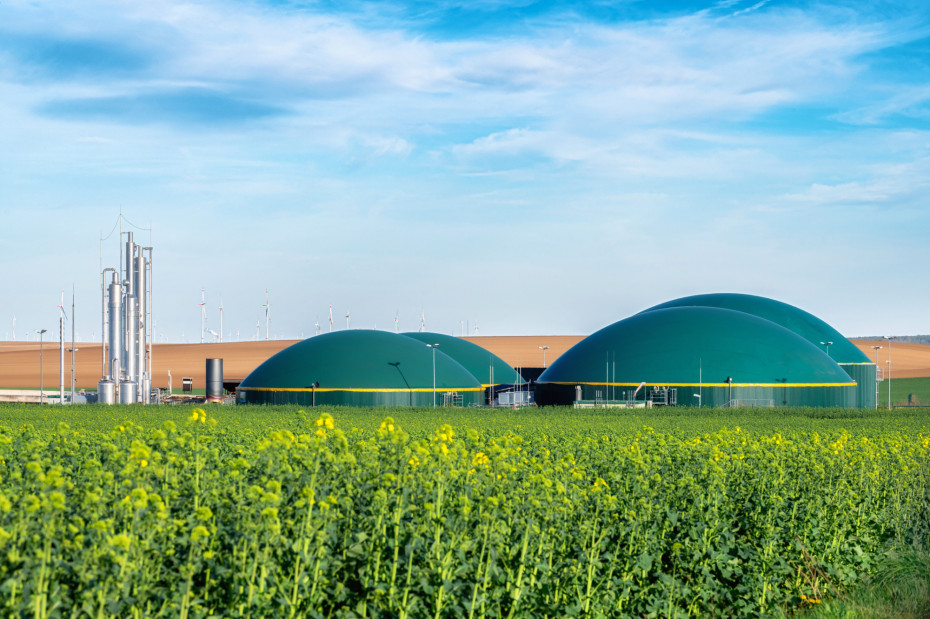
The Department for Economy (DfE) and the Department of Agriculture, Environment and Rural Affairs (DAERA) Biomethane Strategy & Policy Framework consultation marks an important step towards establishing a sustainable biomethane sector in Northern Ireland and bringing energy, agriculture and environmental policy into sharper focus.
Launched on 20 October 2026 by Economy Minister Dr Caoimhe Archibald and DAERA Minister Andrew Muir, the joint consultation seeks to establish how the region can develop a sustainable biomethane sector that supports decarbonisation, agricultural resilience and economic growth.
The consultation follows on the Department for Economy’s call for evidence report published last year which sought information and views on the role of biomethane in the path to net zero, feedstock management, the economic viability of biomethane and other key issues. The 2026 consultation seeks to build on those findings and recognises the role biomethane can play in decarbonising multiple sectors through one locally produced renewable source.
One of the key themes in the consultation is it’s holistic and whole system approach built around three interconnected areas: energy, nutrient management and carbon.
1. Energy: decarbonising gas use and strengthening resilience
Biomethane can play a pivotal role in decarbonising NI’s energy sectors by replacing fossil fuels in homes and businesses, reducing emissions for energy intensive industries where electrification is challenging and supporting cleaner transport. Another key advantage of biomethane is its compatibility with our existing gas infrastructure which means emissions can be significantly reduced without spending significant time and money updating our gas network, unfortunately not the same for our electricity network. Injecting biomethane directly into our gas grid provides maximum decarbonisation impact with minimal consumer disruption.
2. Nutrients: linking renewable energy with better agricultural management
The consultation recognises that NI possesses one of the strongest biomethane feedstock bases due to our substantial agri-food sector. It references research that shows that our agri-food sector could produce and support more than 80% of the region's gas distribution network demand. Notwithstanding this potential, the consultation identifies the significant environmental concerns facing the agricultural sector around water quality and excess nutrients, including in the Lough Neagh catchment. It is therefore encouraging to see a joined-up cross-departmental approach to ensure that any biomethane policy aligns with DAERA’S Nutrients Action Programme and other environmental policies which will ultimately contribute to a more circular economy.
3. Carbon: making more of the available resources
Biomethane production offers additional opportunities to capture value beyond renewable gas including the recovery of biogenic CO₂ for use in industrial applications, nutrient recovery, and other products. By combining multiple revenue streams, or revenue stacking, projects could diversify income, improve revenue certainty and reduce reliance on biomethane sales alone. Biomethane projects involve high upfront costs and lenders require confidence that the rules governing their development, operation and revenues will remain sufficiently stable over the long-term. NI will need the right policy, access to markets and support to capitalise on any additional biorefinery products.
Why policy matters?
Revenue certainty is essential to unlock investment
Developing biomethane at scale requires long-term revenue certainty to give developers and investors’ confidence to commit the substantial capital needed for new projects. Across Europe, biomethane markets have relied on policy support, including grants, operating support, feed-in tariffs or supplier obligations for large-scale deployment. Leveraging lessons from neighbouring jurisdictions, NI has the opportunity to build a framework that works for the region’s agricultural strengths and energy needs. Without a clear policy and support mechanism, projects will struggle to secure private investment and risk capital being diverted to more established markets.
Addressing grid connection costs and barriers
Gas network connection costs can significantly hinder deployment, particularly for early projects or facilities located far from suitable infrastructure. The consultation considers the socialisation of strategic biomethane connections costs subject to a cap of some form and proposes the removal of the “first mover pays” which has adversely impacted project development in the past. Investors and developers require a clear criterion on how to get biogas facilities connected to the gas network and a fair and proportionate connection cost framework.
A wider opportunity for the Northern Ireland economy
A successful biomethane industry could support investment, skilled employment and supply-chain growth across Northern Ireland. Additional revenues from nutrient recovery, biogenic CO₂ and other bio-based products could strengthen project economics and create additional revenues beyond the development of a domestic renewable gas source. Realising these benefits will require cross-sector collaboration and alignment with environmental priorities, industrial demand and workforce development.
The challenge now is delivery
The joint consultation is an important milestone because it recognises that biomethane policy cannot sit within energy policy alone. Its success will depend on the alignment of energy, agriculture, environmental regulation and economic development. The response to the 2024 call for evidence established both the scale of stakeholder interest and the barriers to growth. The 2026 consultation now provides an opportunity to address those barriers through a coordinated regional framework.
The consultation is open until 5pm on 15 December 2026. Responses can be submitted through the official Department for the Economy consultation page.
If you would like any further information or advice on the information mentioned within this article, please contact Le-ann Campbell or another member from the Energy Team.
*This information is for guidance purposes only and does not constitute, nor should be regarded as, a substitute for taking legal advice that is tailored to your circumstances.