

What’s next for Northern Ireland’s Manufacturing Sector?
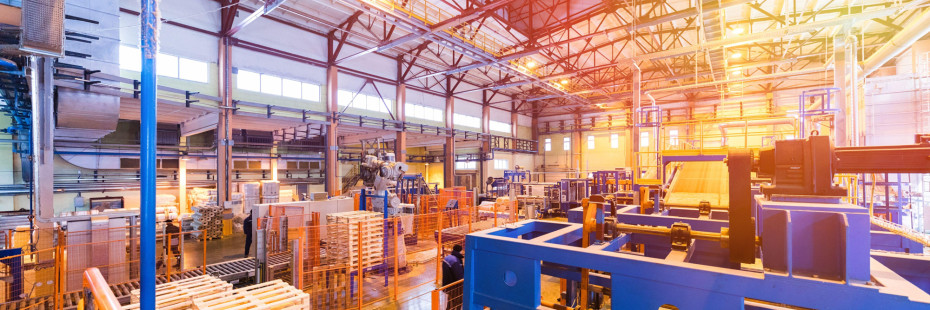
Manufacturing remains a cornerstone of Northern Ireland’s economy, contributing significantly to exports, employment, and innovation.
According to the report “Manufacturing and the Northern Ireland Economy” published by Manufacturing NI in May last year, manufacturing is the region’s second largest private sector employer, has generated nearly 100,000 jobs in Northern Ireland and accounts for 47% of total exports from Northern Ireland, making it Northern Ireland’s most significant exporter. With a strong industrial heritage and a growing focus on advanced manufacturing and digital transformation, the opportunities are evident.
The integration of automation, artificial intelligence, and data analytics is enabling companies to improve efficiency, reduce waste, and compete globally. Northern Ireland’s strong academic–industry partnerships, particularly through institutions such as Queen’s University Belfast, Ulster University, and Catalyst Inc., are fostering innovation in smart manufacturing. 2026 will see the fruition of a number of projects that have been in the pipeline for some time. For example:
- The new “Factory of the Future”, part of a £100 million investment by Queen’s University Belfast, is set to open its doors this year, creating up to 1500 jobs and contributing £1billion to the local economy.
- The North West Centre for Advanced Manufacturing 2, a cross-border innovation programme building on the successes of the original NWCAM project is focused on delivering sustainable, net-zero manufacturing solutions for SMEs in the Health & Life Sciences sector and is led by Catalyst, in partnership with North West Regional College, Atlantic Technology University (ATU), Ulster University, Trinity College Dublin and Irish Manufacturing Research Centre.
Many of these projects are specifically targeted to help SMEs. We think that this is very important, as SMEs remain critical to the success of the Northern Ireland private sector.
Founded on a strong engineering heritage and rich in knowledge, skills and experience, Northern Ireland’s dynamic, rapidly growing international aerospace and defence industry is world-leading and remarkable for a region of our size. We are proud to call many of these businesses clients, and they continue to offer a reliable, competitive and high-performing supply chain with expertise in key technologies. We therefore particularly welcome the recent announcement that defence tech start-ups and small businesses in Northern Ireland will benefit from a £50 million investment boost, creating highly-skilled jobs and strengthening UK national security. The new deal will create a targeted programme to help SMEs and start-ups in Northern Ireland by making it easier for them to enter the defence supply chain. SMEs will also be better able to innovate and collaborate with each other and large companies at a new secure innovation hub facility, which will provide secure research and development for new businesses and start-ups, creating a level playing field with major defence firms.
The manufacturing sector continues to focus on growing green manufacturing and renewable energy technologies. The global shift toward net-zero carbon emissions is driving investment in sustainable production processes and low-carbon transport, and manufacturers that pivot early toward sustainability can not only meet regulatory demands but also attract environmentally conscious clients and investors. We have been delighted to have been able to support the exciting growth of clients such as Nuada which offers a next-generation, ultra-efficient carbon capture technology that uses MOF-based, heatless vacuum swing adsorption to reduce CO2 emissions from hard-to-abate industries.
The region’s strategic location and trade links also continue to provide an advantage. As part of the UK with unique access to the EU single market under the Windsor Framework, and being part of the island of Ireland, Northern Ireland is well positioned to serve both EU and global customers, an advantage few other regions or countries share.
Against this backdrop, however, the sector faces several significant challenges:
- Skills shortages remain a major constraint, particularly in engineering, digital technology, and project management. Firms struggle to attract and retain talent, especially younger workers, due to competition from other industries and regions. According to the latest figures produced by the Ulster University Economic Policy Centre in its Skills Barometer 2023-33, Northern Ireland is an estimated 5,4000 workers short per year and this shortfall is projected to continue to 2033.
- Rising energy costs and inflationary pressures continue to squeeze margins, while supply chain volatility, exacerbated by geopolitical tensions and global disruption, creates uncertainty in delivery times and input costs. Smaller manufacturers, in particular, face difficulty absorbing these shocks, which highlights one of the more concerning statistics in the report - in 2024 the number of micro enterprises in manufacturing with less than 10 employees fell by 100. Larger firms account for almost half of the jobs in this sector, showing that while the sector is a strong industry, the smaller enterprises are suffering.
- Finally, although there are also opportunities, navigating the post-Brexit regulatory environment adds complexity to cross-border trade and compliance, requiring firms to stay agile and informed about evolving trade rules.
Overall, manufacturing in Northern Ireland stands at a critical juncture. Firms that invest in innovation, digital skills, and sustainability are likely to be best-placed to seize new opportunities, while continued support from government and educational sectors will be essential to ensure long-term competitiveness and growth, particularly for smaller enterprises and start-ups.
About the author