

How to tackle the rise in ‘pop-up’ dental clinics: the BDA’s plea for proper regulatory oversight
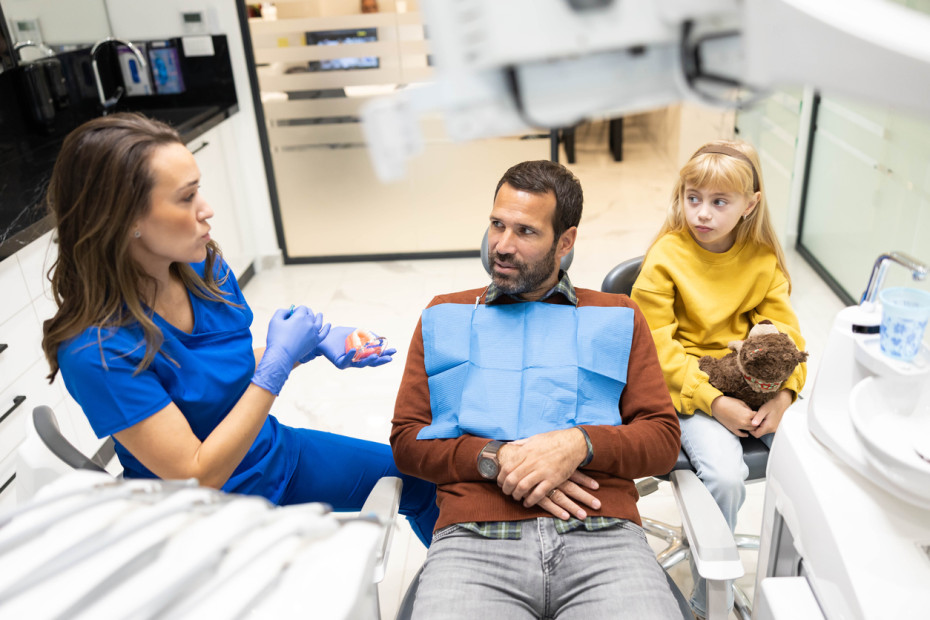
The British Dental Association (‘the BDA’) has recently called upon the Northern Ireland Minister for Health to urgently put measures in place to tackle the illegal, widespread issue of ‘pop-up’ dental clinics. But what are they and why are they so problematic?
Over the past number of years, there has been an increasing number of ‘pop-up’ clinics appearing in local hotels or on our high streets, whereby members of the public are offered ‘dental consultations’ and ‘smile makeovers,’ as well as being targeted with marketing ploys for overseas dental packages in countries like Turkey. These consultations are typically performed by professionals who are not registered with the General Dental Council (‘GDC’), including dentists from overseas. Patients are usually attracted to these clinics for the lower cost of treatment and the far-reaching promises of aesthetic improvement. However, due to regulatory oversight, premises which are not operated by GDC registered professionals are not required to be registered with the Regulation and Quality Improvement Authority (RQIA). As such, these clinics are not subject to the stringent regulations which govern established, reputable, and low-risk dental practices, placing patients at greater risk of substandard practice.
According to the Chair of the BDA in Northern Ireland, Paul Brennan, this regulatory loophole runs the risk of putting the public in danger of receiving treatment from dental health professionals who are not beholden to the high standards set by the GDC and RQIA regulations. For Brennan, “simply looking inside a patient’s mouth and examining their teeth and gums with the intention of offering dental treatment amounts to ‘the practice of dentistry; this passes a line beyond simply the marketing of overseas dental practice.” These clinics are evidently blurring the boundaries between mere advertising and actual dental practice, and are driving the exponential rise in what is known as dental tourism. Given that in the UK it is illegal for the practice of dentistry to be performed by someone who is not registered with the GDC, this is a serious problem which needs to be addressed.
As such, the Northern Irish branch of the BDA has written an impassioned plea to incumbent Health Minister, Mike Nesbitt seeking a collaboration between the profession’s regulatory bodies, namely the GDC and the RQIA, to ensure that measures are urgently put in place to better protect the public from these unregulated clinics. They have also requested greater clarity on what enforcement powers are at the disposal of the GDC and how these are being exercised to clamp down and deter the illegal practice of ‘pop-up’ clinics, and the subsequent rise of dental tourism.
Mr Nesbitt recently responded to the BDA’s correspondence outlining that investigative measures such as unannounced visits from RQIA representatives at certain permanent establishments have already taken place. In terms of enforcement, the Health Minister has clarified that the power rests with the GDC, not the RQIA, to gather evidence of illegal dental practice and investigate such allegations. Albeit any intelligence gathered by the Department of Health in relation to pop-up clinics and illegal dental practice is, of course, shared with the relevant regulatory bodies. The Minister for Health, has not, however, suggested that any changes will be made to the existing regulatory framework at this time to encompass ‘pop up’ clinics within the remit and regulations of the RQIA.
That being said, a joint meeting between the RQIA and the BDA is due to take place at the end of this month (March 2026), where it is hoped that robust action will be brought to this pertinent issue. At Carson McDowell, we will continue to monitor any developments emerging from this call-to-action. Should you require any further information, please do not hesitate to contact Francesca Lowry, Emma Lewis or another member of the Healthcare team.
*This information is for guidance purposes only and does not constitute, nor should be regarded as, a substitute for taking legal advice that is tailored to your circumstances.
About the author